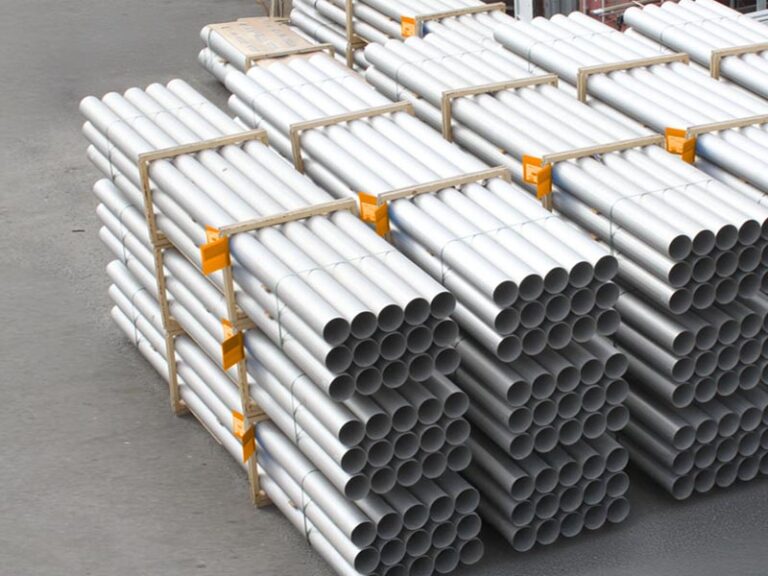
Cooling pipelines

Energy-efficient cooling pipelines for industry and data centres

We design and implement cooling pipelines for the needs of industry, properties and data centres. Our systems are based on energy-efficient and reliable solutions that ensure the optimal operating temperature for the equipment and prevent costly downtime.

We utilise 3D modelling as well as prefabrication in our own production facilities, which ensures accurate fitting, keeping on schedule and efficient installation. We use high-quality materials and leak-proof connections, which are also ideally suited to the growing cooling requirements of high-performance computing and data centres.

Our strengths are keeping to schedule and security of supply. We also prepare ready-made production and assembly diagrams for customers with the help of 3D modelling.
Customer references

  • YIT Building Construction: Data Centre Project

    We delivered pipelines for the internal cooling water and the water-glycol mixture for a data…
    Read more

Are you planning a cooling pipeline project?
Contact PTP’s experts and request a quote.

Frequently asked questions

Cooling pipelines are part of the heat management system of industrial processes or properties. They are used to efficiently transfer heat through water or other heat transfer medium. Applications include:

  • Data centres and computer rooms where carefully controlled temperature prevents equipment from overheating. The growing power demand of data centres is increasingly leading to the use of liquid cooling and hybrid solutions.
  • Industrial process cooling, in which systems are designed to withstand demanding conditions and keep production facilities reliable.
  • Food industry, district cooling, electric car charging infrastructure and other industrial sites that require steady temperatures or efficient heat management.
  • Operational and system reliability: In data centres, interruptions can cause costly downtime or data loss.
  • Efficient heat transfer: Water is up to ten times more efficient at transferring heat than air. Therefore, many modern systems rely on water-circulating solutions and the associated pipework.
  • Energy efficiency and cost savings: New cooling solutions help reduce the carbon footprint and operating costs.